
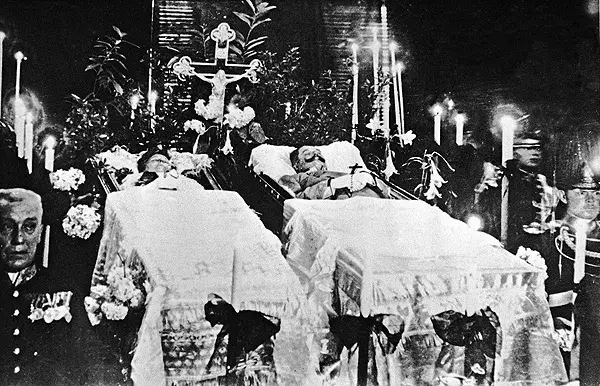

History is often shaped by massive armies, powerful empires, and bold political decisions. But sometimes, history pivots on a single moment so small it almost seems accidental. On a quiet summer morning in Sarajevo, a chain of unlikely events collided to produce one of the most devastating turning points in modern history—the assassination of Archduke Franz Ferdinand, an event that would soon reshape Europe and change the course of global history.
On June 28, 1914, Sarajevo appeared calm and ordinary. Yet beneath that peaceful surface, tension simmered in the streets of Bosnia and Herzegovina, where nationalist movements and political unrest had been growing for years. Few people standing along the road that morning could have imagined they were witnessing the beginning of the chain reaction that would lead directly to World War I, all beginning with the assassination of Archduke Franz Ferdinand.
Table of Contents
The Calm Before the Storm in Sarajevo
The morning unfolded with deceptive normalcy. Sunlight washed over Sarajevo’s streets as citizens gathered to watch the royal procession pass through their city, unaware they were witnessing one of the key moments that historians would later identify as a major cause of World War I.
Archduke Franz Ferdinand, heir to the Austro-Hungarian throne, traveled beside his wife, Sophie, in an open-topped car. Their visit was meant to project strength and stability in Bosnia, a region filled with rising nationalist anger against Austro-Hungarian rule. To the crowds, it looked like a routine display of royal authority—but hidden among them were young men carrying deadly intentions.
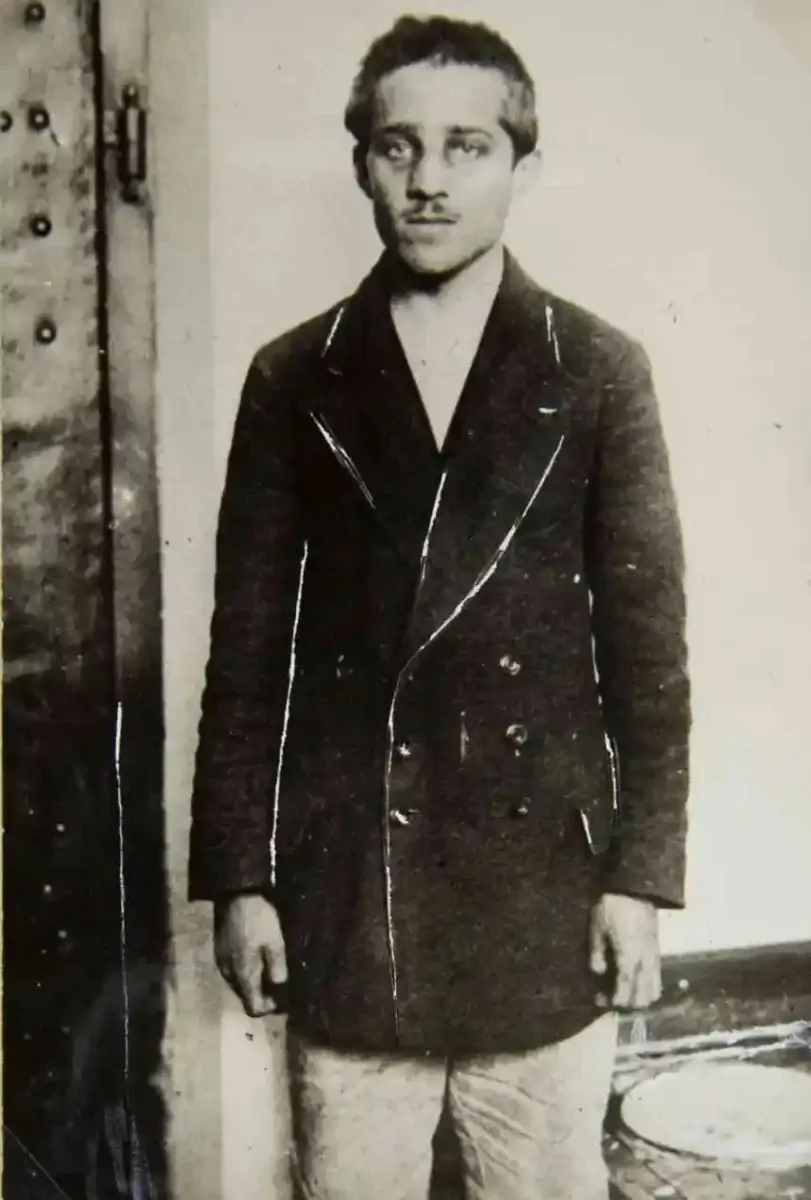
Among these conspirators stood Gavrilo Princip, a 19-year-old nationalist deeply influenced by revolutionary ideas spreading across the Balkans. He was not a trained soldier or seasoned revolutionary. He was a student driven by conviction, waiting for a single opportunity to strike a blow that he believed could change history.
The First Failed Attempt: A False Sense of Security
The attack that changed history did not begin with gunfire. It began with failure—an early attempt that nearly ended the plot before the world-changing shots were ever fired.
As the motorcade moved along the Appel Quay, one conspirator hurled a bomb toward the Archduke’s vehicle. The device struck the folded top of the car and bounced away before exploding beneath another vehicle behind them. The blast wounded several members of the entourage, filling the street with smoke, confusion, noise, and fear among the crowd.
Yet Franz Ferdinand survived.
That survival created a dangerous illusion of safety. Instead of leaving Sarajevo immediately after the bombing, the royal party pressed forward with their official schedule. At the Town Hall, the Archduke maintained composure despite the attack, then made a decision that would unknowingly place him directly in harm’s way—he insisted on visiting the wounded at the hospital.
Around them, tension slowly eased. Guards relaxed. Spectators assumed the danger had passed. But beneath the appearance of safety, the threat remained alive, waiting for one final opportunity to complete what would become the assassination of Archduke Franz Ferdinand.
The Fatal Mistake Behind the Assassination of Archduke Franz Ferdinand
The next stage of the tragedy unfolded not through violence, but through confusion—an error that historians often describe as one of the most fatal wrong turns in modern history.
As the motorcade departed for the hospital, the drivers misunderstood their updated route. Following the original plan, the lead car turned onto Franz Joseph Street. Franz Ferdinand’s driver followed automatically, unaware that this single mistake would bring the royal car dangerously close to the waiting conspirator.
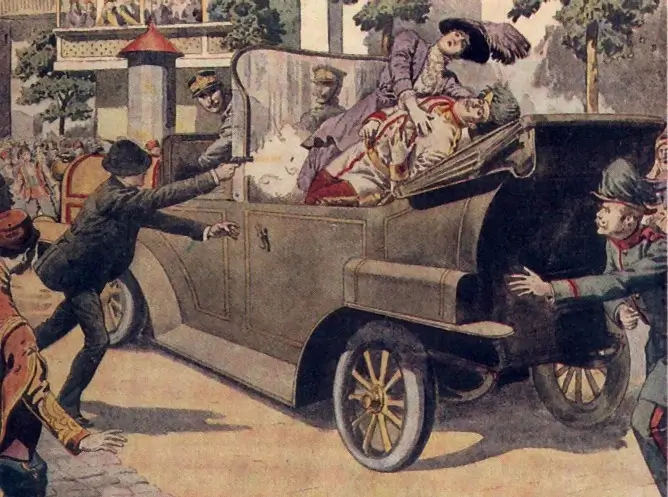
The driver slammed on the brakes and attempted to reverse. Instead of moving smoothly, the vehicle stalled. The gears jammed, locking the car in place at the worst possible location. For several long seconds, the royal car sat motionless in the middle of the street—an unexpected mechanical failure that created the perfect opportunity.
Earlier, Gavrilo Princip had watched the failed bombing with frustration and disappointment. He believed the mission had collapsed and that history had moved past him. Now, without warning, his target appeared directly in front of him—trapped, exposed, and within arm’s reach in a moment that would soon define the assassination of Archduke Franz Ferdinand.
The Moment That Changed History
Princip stepped forward.
There was no hesitation. No warning.
He raised his pistol and fired two shots at point-blank range. The first bullet struck Archduke Franz Ferdinand in the neck. The second hit Sophie in the abdomen.
The driver finally managed to reverse, but the damage had already been done. Inside the vehicle, the Archduke and his wife slumped against each other. Within the hour, both were dead.
In less than a minute, Europe moved one step closer to catastrophe.
The Spark That Ignited World War I
Gavrilo Princip believed his actions would ignite revolution and national freedom. He imagined his act would weaken an empire and strengthen his cause.
Instead, his shots triggered something far larger than rebellion. They activated a chain reaction of alliances, military mobilizations, and declarations of war that spread rapidly across Europe. Austria-Hungary declared war on Serbia. Russia mobilized in support of Serbia. Germany responded by declaring war on Russia, and soon France and Britain were drawn into the escalating conflict.
Within weeks, the world plunged into a conflict of unprecedented scale known as World War I. Trenches stretched across continents, and millions of lives were consumed by a war that traced its origins back to a single street in Sarajevo and the assassination of Archduke Franz Ferdinand.
Key Takeaways from the Sarajevo Assassination
The Power of Chance
History does not always turn on grand strategy. Sometimes it hinges on a stalled engine, a wrong turn, or a moment of confusion that can alter the course of world events.
The Butterfly Effect in History
One individual, acting alone, can unleash consequences that reshape the global order and trigger conflicts far beyond their original intentions.
The Fragility of Peace
The world before World War I appeared stable on the surface, but beneath that calm lay alliances and rivalries waiting for a single spark to ignite war.
Miscalculated Outcomes
Princip believed he was fighting for liberation. Instead, his actions helped trigger a war that killed millions and reshaped the political map of the world.
Conclusion: The Lasting Impact of the Assassination of Archduke Franz Ferdinand
The events of June 28, 1914, remain one of history’s most chilling reminders of how fragile peace can be. A failed bombing, a mistaken turn, and a stalled engine created the perfect storm of circumstances that allowed Gavrilo Princip to act.
Sarajevo that morning did not look like the birthplace of a world war. It looked ordinary—calm streets, curious crowds, and a royal procession moving through the city. Yet within seconds, everything changed.
Two shots echoed through the streets, and their consequences rippled across continents for years to come. Empires collapsed. Borders shifted. Millions died. All of it began with one decision, one moment, and one act now remembered forever as the assassination of Archduke Franz Ferdinand, the event that ignited the First World War.

Add your first comment to this post